For Anyone Interested in the Wildlife of the U.K.

 The Dawn Chorus
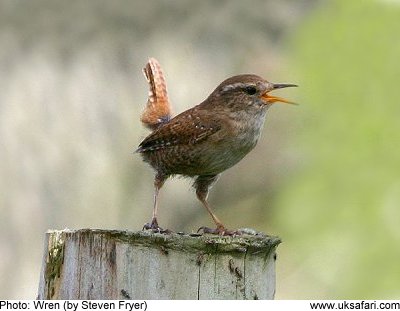
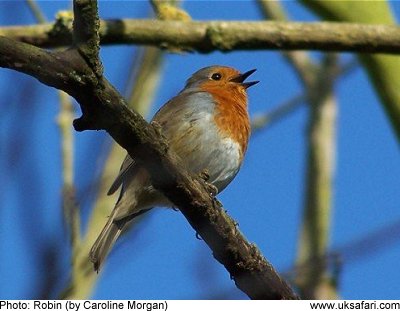
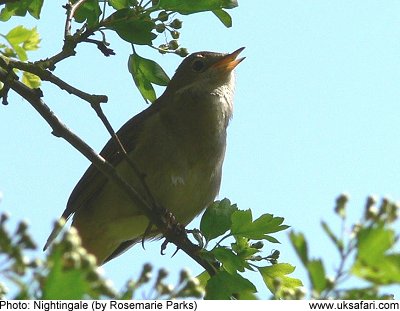
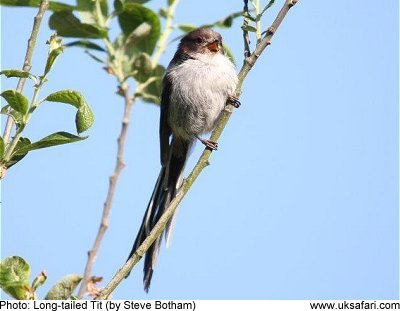
It's arrived. That time of year when bleary-eyed individuals around the UK raise their pale, corpse-like bodies from their warm, comfortable beds in the middle of the night just to listen to birds.
Yes, 'Dawn Chorus Day' is upon us again, although a more fitting name might be 'Dawn of the Living Dead'. Incredibly thousands of people do manage to drag themselves along to organised dawn chorus events at 4 in the morning. But most of them are so tired they don't really have any idea of what's going on, why they've put themselves through it, or possibly even what their own name is.
What is Dawn Chorus Day?
Dawn Chorus Day is an annual event which usually happens in the first week of May. On bright, mild days towards the end of winter, the intensity and numbers of birds singing increases. This is triggered by changing day length at the beginning of spring, marking the start of the breeding season for most bird species.
The majority of birds singing are males. They sing to maintain their territories and to attract females. The singer is broadcasting his condition and sexuality. First to kick off are usually the blackbirds, robins or nightingales. They'll happily sing in the dark, but as the sun rises (usually between 5 and 5.30am) the dawn chorus gradually builds to a crescendo, with all the other birds joining in and really turning up the volume.
As well as listening to the birds, now's a great time to watch them because they're in full breeding plumage. It's the one time of year they actually look like the illustrations in that old dog-eared field guide of yours.
So how can you experience this avian extravaganza? Here's a few options...
1) Events
There may be an organised dawn chorus event in your area. Check the websites of the Wildlife Trust, RSPB, National Trust, Forestry Commission, BTCV, Wildfowl & Wetlands Trust and other organisations for details.
2) DIY in the Bedroom
Losing a comfortable lie-in just to go stand in a damp woodland before sunrise isn't everyone's idea of a good time (strangely). So if you can't make it along to an organised event, then set your alarm for 5am, drag yourself across to the bedroom window, open it, and let the sound of the dawn chorus in. It really is worth it. No really.
3) Laziest Option
If gravity gets the better of you this year (and gravity always does seem to be more effective at 5am) then fear not, because you can click the link below to hear a dawn chorus we prepared earlier. This one was recorded in a West Kent woodland a couple of years back. Listen out for the noisy pheasant in the middle of the recording (such a show-off), and see how many other birds you can recognise:
Click here for Dawn Chorus MP3 recording (938KB)
Related Pages