For Anyone Interested in the Wildlife of the U.K.

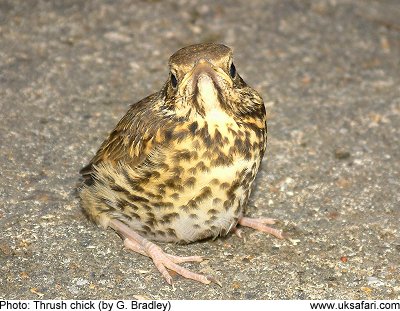
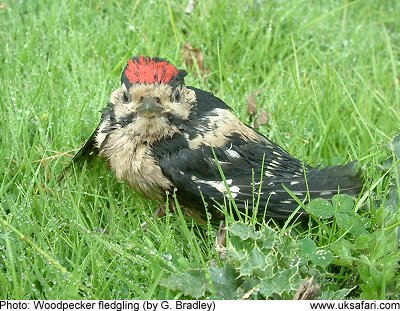
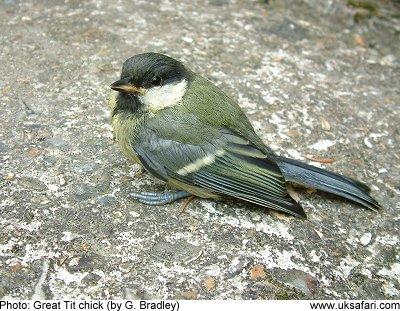
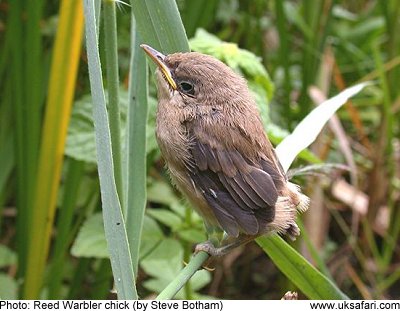
Many birds will be raising their young this month, and within a few weeks many chicks will be leaving their nests, often before they are able to fly. It's also the time of year when wildlife hospitals up and down the country find themselves inundated with baby birds, picked up by well-meaning people, who mistakenly think the chicks have been abandoned by their parents.
These "abandoned" chicks are best left alone, unless they're in immediate danger. The parents of young birds (and mammals) frequently leave their young alone in a safe place while they go off foraging for food. It can be tempting to pick them up and take them into care, but if you watch from a distance, you will see that the parents know exactly where their young are.
The parents continue feeding and caring for their young for at least a week after they leave the nest, and if you listen carefully you'll often hear contact calls between the young birds and their parents. Sometimes the very presence of a well-meaning person will prevent the parent from returning, so always watch and listen from a distance away.
If you can see a chick which is in danger from road traffic or cats, then gently pick it up and place it on a high tree branch, very close to where it was found. A good tip is to put fallen youngsters into an old hanging basket or plastic plant pot with string tied round the rim, and half filled with soft hay. The basket or pot can then be hung from a high branch to keep it safe.
If the chick is still covered in fluffy down, rather than feathers, then look for its nest and put it back so it can call to it's parents. Again, watch from a distance to make sure the parents return to feed it.
If the chick is cold and limp, or if you can see injuries, or if a cat has caught the bird, it will certainly need medical attention, and you should contact your local wildlife hospital for assistance. The most important thing is to keep the baby bird warm until you can get help.
In short, only pick up a baby bird if it's injured or in immediate danger from traffic or predators like domestic cats.
Related Pages