For Anyone Interested in the Wildlife of the U.K.

 Red Kites
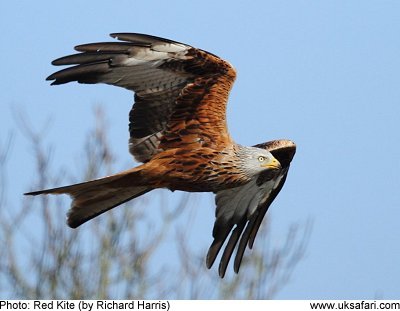
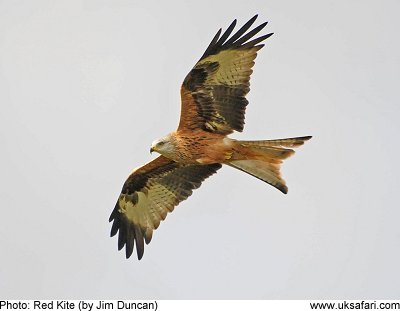
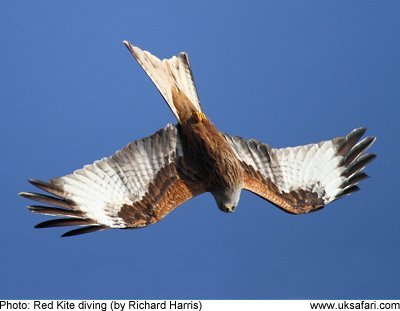
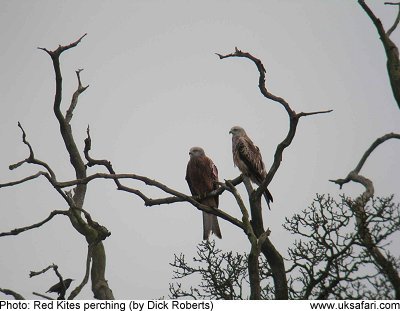
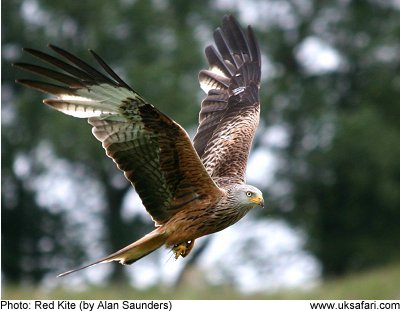
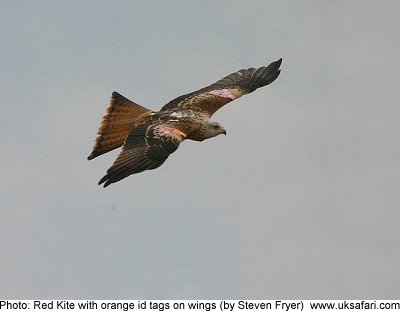

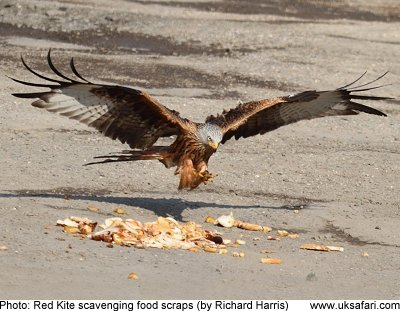
Scientific name: Milvus milvus
Size: Approx 65cm. Wingspan approx 195cm
Distribution: Found in many parts of the UK with healthy populations in mid-Wales, west Wales, Perthshire, Buckinghamshire, Oxfordshire, Northamptonshire and Yorkshire
Months seen: All year round
Habitat: Usually seen hunting over open hillsides, steep sided valleys and over the M40.
Food: Small mammals, birds, carrion and invertebrates
Special features: Just a few decades ago the red kite population in the UK had been reduced to just a handful of birds. The last few birds were teetering on the brink of extinction in the valleys of Mid-Wales. As a result of a massive conservation program the population is now estimated at over 1800 pairs (src RSPB).
Red kites can be recognised in the air by the long and deeply forked tail. Also by the white wing patches just inside of the black wing tips. The head of a red kite is pale blue-grey with variable black streaking. Juveniles are generally paler in colour than the adults.
Despite their large size, a fully grown red kite only weighs around 1300g, allowing them to glide over long distances.
Red kites are sometimes born with a lack of pigmentation in the feathers. This is a result of the lack of gene stock (see links below).
Feeding Stations
As part of the conservation of the red kites in Mid-Wales, there are feeding stations set up at a few locations such as 'Gigrin Farm' and 'Nant-yr-Arian Forest Centre'. Originally this was to help the young kites survive through their first winter. There is now a healthy population in the area and the daily feeding has become a popular tourist attraction. It is not uncommon to see several hundred birds together at feeding time.
Wing Tags
It's possible you may see a Red Kite with tags on its wings. The tags on the left wings indicate the area the bird fledged and the tags on the right wings indicate the year of fledging. In one of the photos above there is a Red Kite with two orange tags indicating it fledged in Yorkshire in 2005.
Related Pages
- Short movie clip of a white red kite flying over hills in mid-Wales (1.3MB)
- Red Kite Postcard
- UK Safari Birds of Prey Section
- UK Safari Bird Section
- UK Safari News