For Anyone Interested in the Wildlife of the U.K.

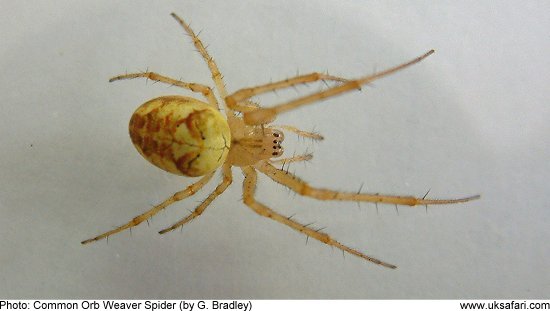
Spiders belong to a class of animals called the 'Arachnida' which also includes mites, ticks, scorpions and pseudoscorpions.
Spiders have a two-part body, four pairs of legs and two pincers. They don't have antennae, but instead have bristly hairs on their body and legs, which are used to pick up signals and messages. It's thought that spiders can actually taste things with their feet.
All spiders are carnivorous, but they have small mouths, so in order to eat they inject poison into their victims with a pair of sharp fangs. The poison contains digestive fluids which turns the insides of their victims into a kind of soup. The spider then drinks their insides leaving just an empty skin.
Some spiders, spin webs to catch their food. Unfortunate victims, like flies, get trapped on the sticky strands of the web, and then the spider moves in for the kill. Other spiders hunt by stalking their prey, while some jump on their prey.
Related Pages
- Is This a Deadly Spider?
- Flying Spiders
- Spider Changing its Trousers
- How do Spiders Spin Webs?
- Why are Orb Web Spider Webs Shaped like that?
- UK Safari Spider Section
- UK Safari News