

 10 Top Tips for Photographing Butterflies
News > 10 Top Tips for Photographing Butterflies >
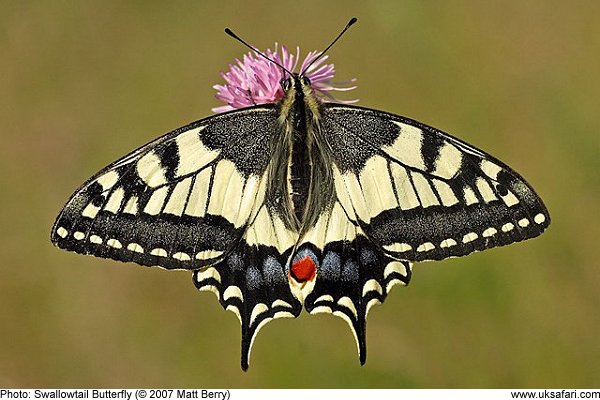
This is probably the best month of the year to see butterflies in the UK. More than 50 different species are on the wing now - more than at any other time of the year. They range in size from the Small Blue with a wingspan of just 18mm to the Swallowtail with a wingspan of up to 95mm. The colour and variety is spectacular. Best of all, they're active on days when the weather is calm and sunny. Just the sort of days we love to be outdoors. Make sure you take some time out this month to enjoy them.
In the past, butterfly enthusiasts caught, killed and pinned butterflies in display cases. A lot was learnt about butterflies by studying them in this way. These days, with numbers of even the more common species in decline, most butterfly enthusiasts are happy just to collect photographs of these colourful insects.
With that in mind, here are ten tips to help you get some good butterfly photos...
1) Patience
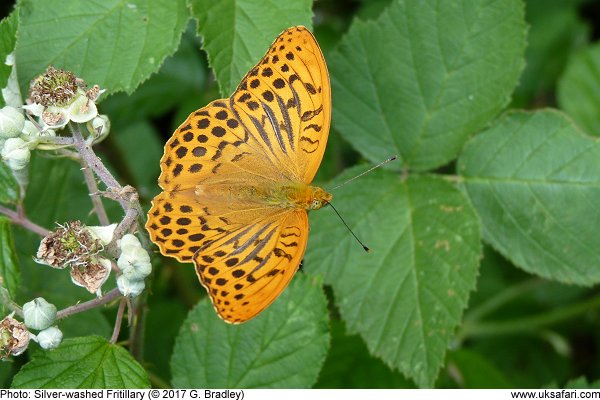
Learn all you can about the butterfly you want to photograph and spend time watching it before you take any pictures. You'll soon notice habits which you can use to your advantage. For example, the Silver-washed Fritillary is a fast flier, but this species is especially fond of feeding on bramble flowers. Once you've located your butterflies, look for bramble flowers near to where they are flying and position your camera close to the ones in the sunlight. Rather than chasing after the butterflies just wait for them come to you.
2) Choose the Best time of day
When the sun is high in the sky butterflies are much more skittish and unlikely to remain still. Aim to photograph them early in the morning or late in the afternoon / early evening. Alternatively choose an overcast day. It's at these times you're more likely to see them perched, with their wings open, as they try to absorb the heat energy from the sun.
3) Work Quietly
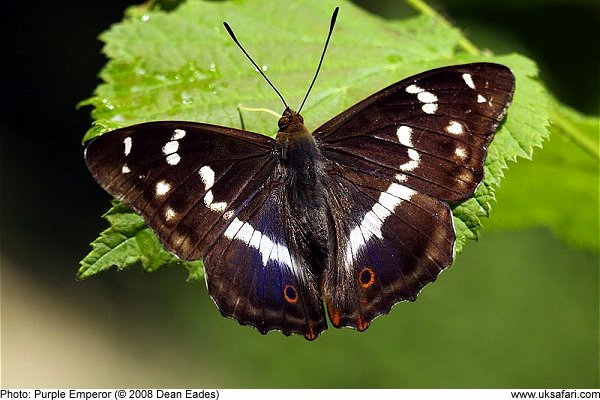
Approach the butterfly slowly and quietly. Sudden movements will startle it, and it'll just take off. Be careful not to jog the plant the butterfly is perched on. Wear muted colours. You don't have to dress up in full camouflage gear, but wearing natural coloured clothing will help you blend in more. Also avoid wearing perfumes, scented deodorants, and obviously, insect repellants. Butterflies have a good sense of smell, and strange odours can scare them off.
4) Watch Your Shadow
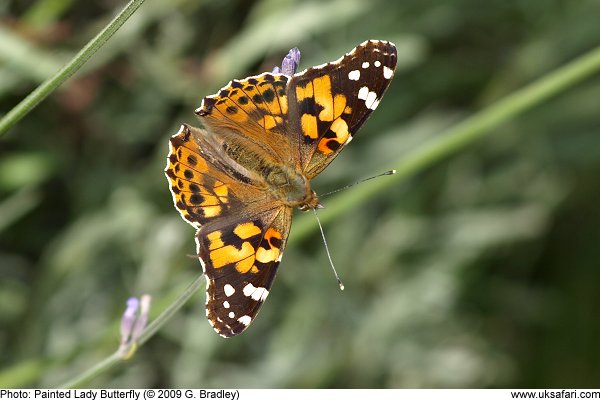
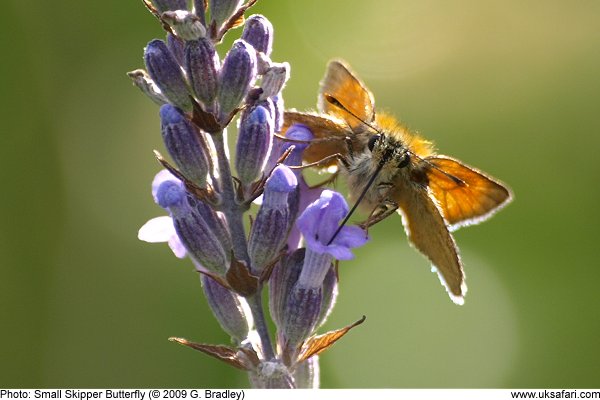
Avoid getting between the sun and your subject. If you cast a shadow on the butterfly it'll immediately take to the air. If you can photograph the butterfly with the sun behind it the light will illuminate all the tiny details around the wing edges, but you can also get flaring from the strong light.
5) Adding Light
Using flash will bring out the richness of colours, and allow you to use faster shutter speeds to obtain sharper photos. The only drawback is this sometimes produces an unnatural black background, or strong shadows. Using an extra flash can help to avoid this.
6) Prioritise the Eyes
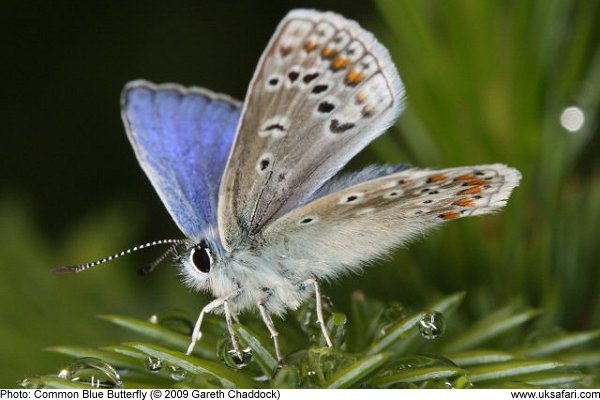
When your lens is close to the butterfly it's not always easy to get the whole insect in clear focus, unless it's laying flat and parallel to your lens. Always focus on the eyes. As long as they're in sharp focus the rest of the picture will look fine.
7) Be Outstanding
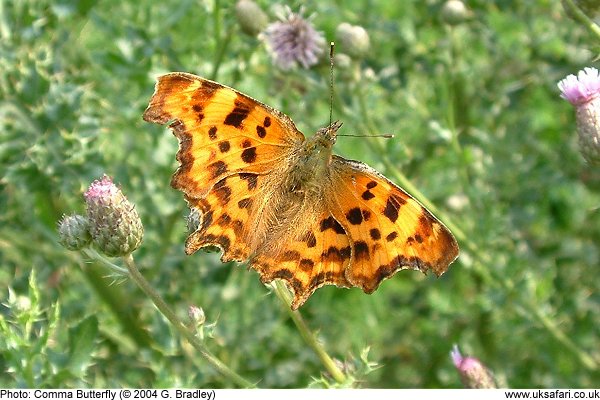
If your butterfly is perched in front of a 'busy' background (like this Comma in a thistle patch) you can make the insect stand out more by choosing a larger aperture. This will give you a shallower depth of field and help to blur the background. Just be careful not to blur parts of the butterfly.
8) Keep it Steady
Some people prefer the flexibility of holding the camera in the hand. If you go this route be sure to use a fast shutter speed and consider upping the ISO setting. For more stability tuck your elbows into your chest, or if you're crouching down rest your elbows on your knees. Using a tripod will give you much sharper photos, but when you're photographing butterflies in the field you often have to keep repositioning your camera. A monopod is a more practical alternative. It'll give you the extra stability and it's far easier to reposition for each new shot.
9) Leave a Border
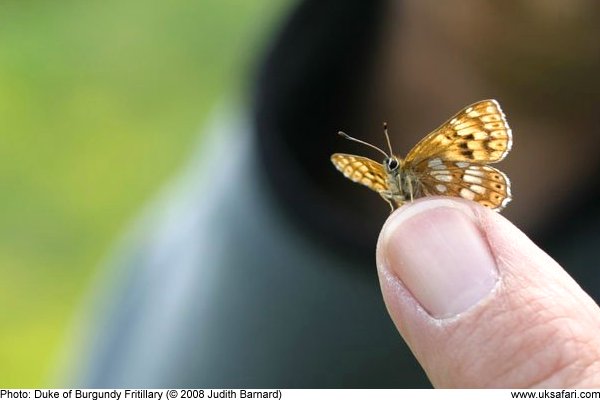
Often you'll want to minimise the background space around your butterfly, especially if the background looks cluttered. But be careful not to over-crop your composition. If the butterfly is looking in one direction, allow some space so you can see where the butterfly is looking. If the butterfly is about to take off, then leave in the space where the butterfly is going, so that the insect is moving into your composition.
10) Practice
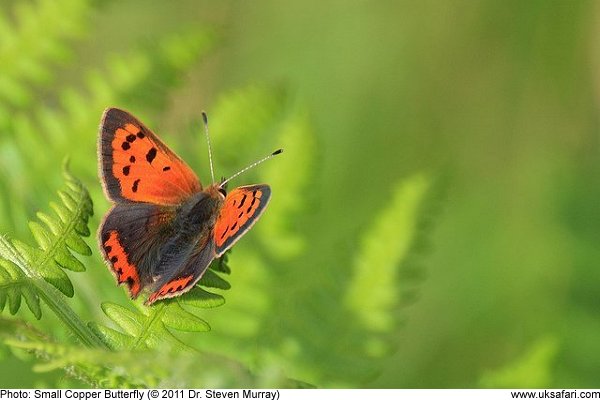
As with everything, the more you do it, the easier it gets. Practice in your own back garden, or your local park before going off to shoot the more exotic species. Try shooting butterflies from different angles just to see how they turn out.

 Related Pages


 Popular Pages
Amphibians, Bats, Badgers, Beetles, Birds, Birds of Prey, Bumble Bees, Butterflies, Caterpillars, Creepy-Crawlies, Deadly Spiders, Dolphins, Dragonflies, E-Postcards, False Widow Spiders, Free Newsletter, Frogs, Fungi, Garden Spiders, Glow-Worms, Grey Squirrels, Hedgehogs, House Spiders, Ladybirds, Mammals, Marine Mammals, Moths, Owls, Reptiles, Spiders, Toads, Trees, Wildlife Hospitals
© Copyright 2017 G. Bradley - UK Safari | About Us | Links | Contributors